
Inspirations

Quotes, figures, and discussions

People and ideas that shaped how I think about software, design, and questioning the default order of things.

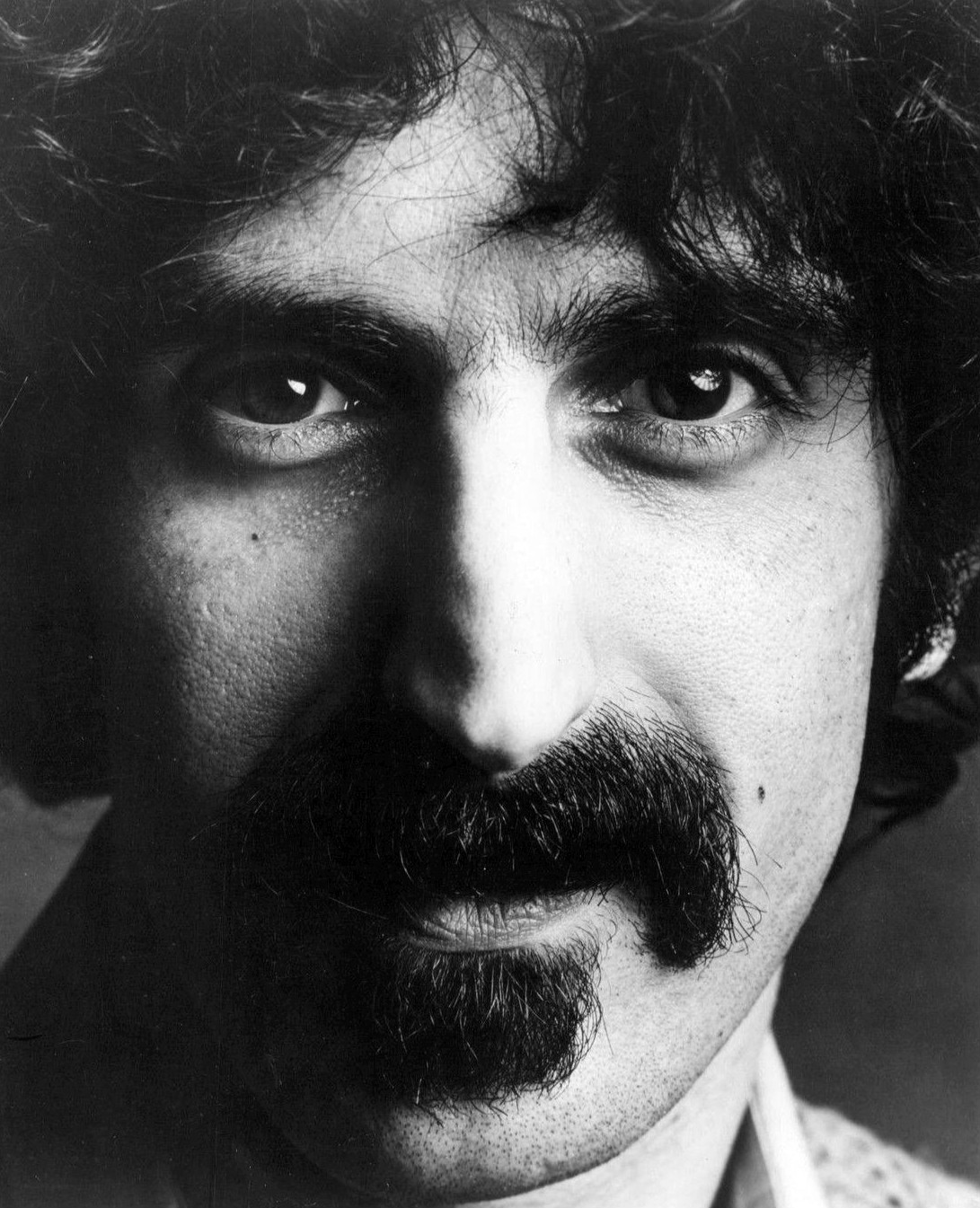
“A mind is like a parachute. It doesn't work if it is not open.”

Frank Zappa

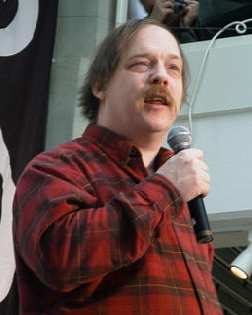
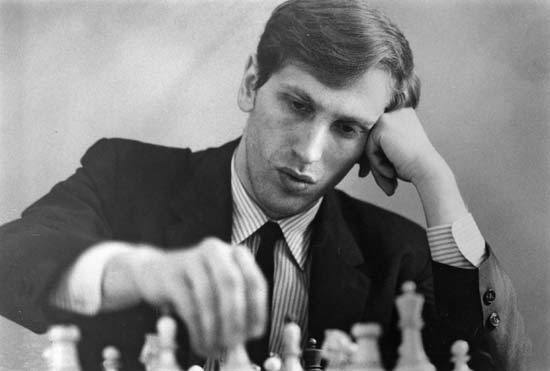
“I would rather be free in my mind, and be locked up in a prison cell, than to be a coward and not be able to say what I want.”

Bobby Fischer, American chess grandmaster

“The best way to predict the future is to create it.”

Peter Drucker, management consultant, educator and author

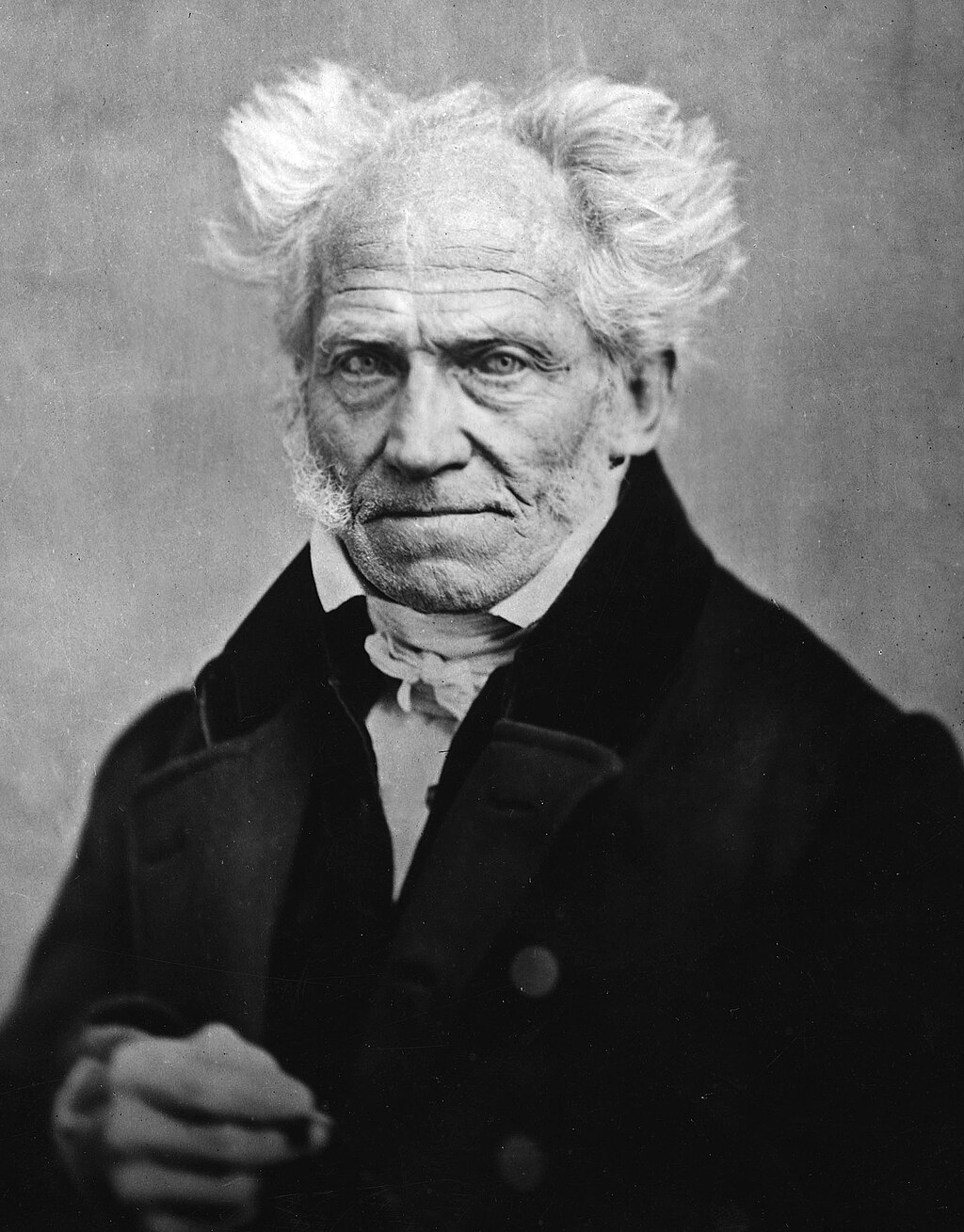
“Talent hits a target no one else can hit; Genius hits a target no one else can see.”

Arthur Schopenhauer

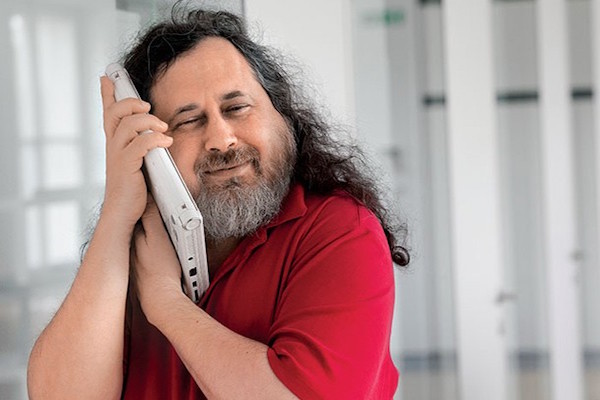
“If the users don't control the program, the program controls the users.”

Richard M. Stallman, creator of GNU/Linux, founder of the Free Software Foundation

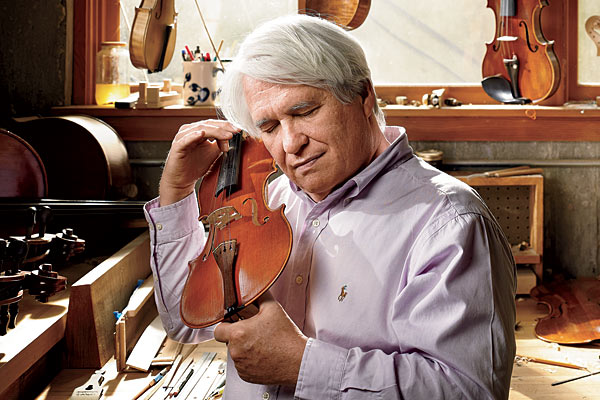
“I'm an investigator. A professional respects the traditions of the profession and does what he's taught to do. An investigator tears it all down, questions everything, asks, 'What should we be doing?' It's a completely different posture.”

Chicago Mag interview, Cal Meineke, violin luthier

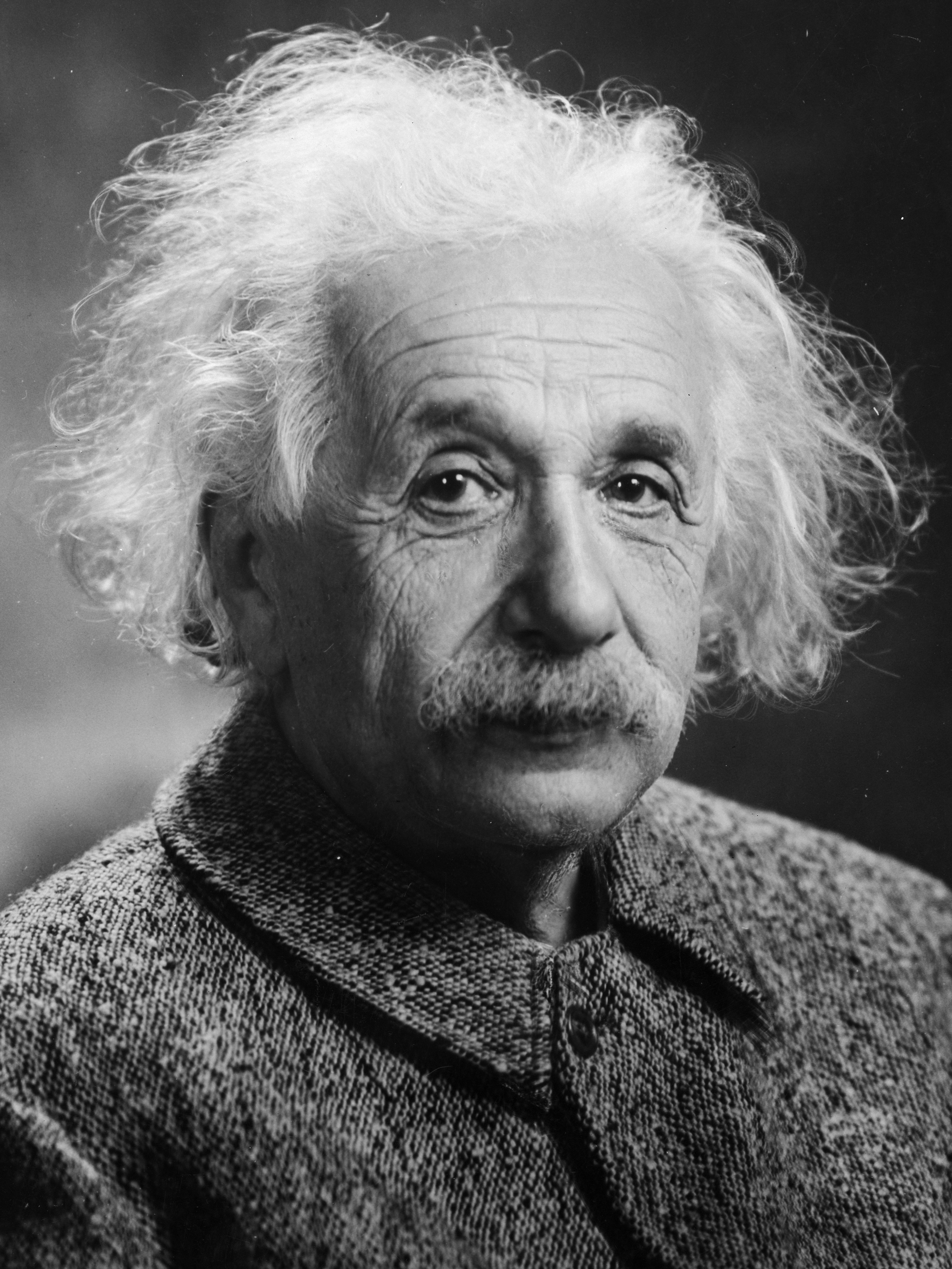
Albert Einstein

Albert Einstein

“There comes a point in your life when you need to stop reading other people's books and write your own.”

Albert Einstein

“Imagination is more important than knowledge. Imagination is the language of the soul. Pay attention to your imagination and you will discover all you need to be fulfilled.”

Albert Einstein

“Genius is making complex ideas simple, not making simple ideas complex.”

Albert Einstein

“Don't listen to the person who has the answers; listen to the person who has the questions.”

Albert Einstein

“Be a loner. That gives you time to wonder, to search for the truth. Have holy curiosity. Make your life worth living.”

Albert Einstein

“Artificial intelligence is no match for natural stupidity.”

Albert Einstein
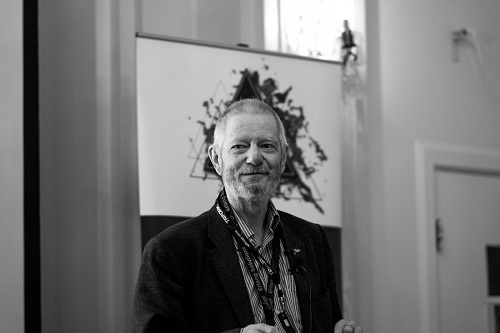
Dr. Joe Armstrong, inventor of Erlang

Favorite quotes

Dr. Joe Armstrong

“I think we should get big medals. My generation of programmers should get the Congressional Medal for creating employment—because in the last forty years we have written billions of lines of code that will keep programmers employed for trillions of man-hours in the next few thousand years to clean up this mess we've made. We are the job creators of the future; all that stuff we wrote years ago, these poor sods will be scratching their heads and going, what the hell does this stuff do?”

Joe Armstrong, The Mess We're In, Strange Loop, September 2014

“Being really good at C++ is like being really good at using rocks to sharpen sticks.”

Thant Tessman

“When your hammer is C++, everything begins to look like a thumb.”

Steve Haflich on comp.lang.c++

The Mess We're In

Strange Loop, September 2014 · ~46 min

YouTube ↗Medals riff (~8:14) ↗Drive backup ↗Dev-Centr catalog ↗

Dr. Joe Armstrong was a computer scientist and physicist, the inventor of Erlang, and a researcher at Ericsson Telecom. His TiddlyWiki blog is still online at joearms.github.io. The domain joearmstrong.org currently redirects to a generic lander—not a renovated memorial site yet. These favorite quotes were preserved from his site before that quotes page went offline.

Freddie Mercury

Lead singer of the hit Rock 'n' Roll band, Queen.

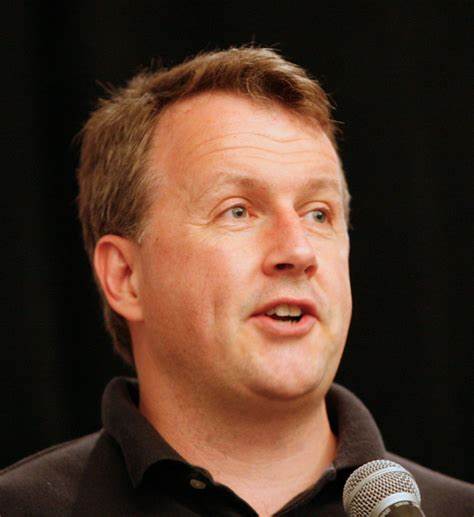
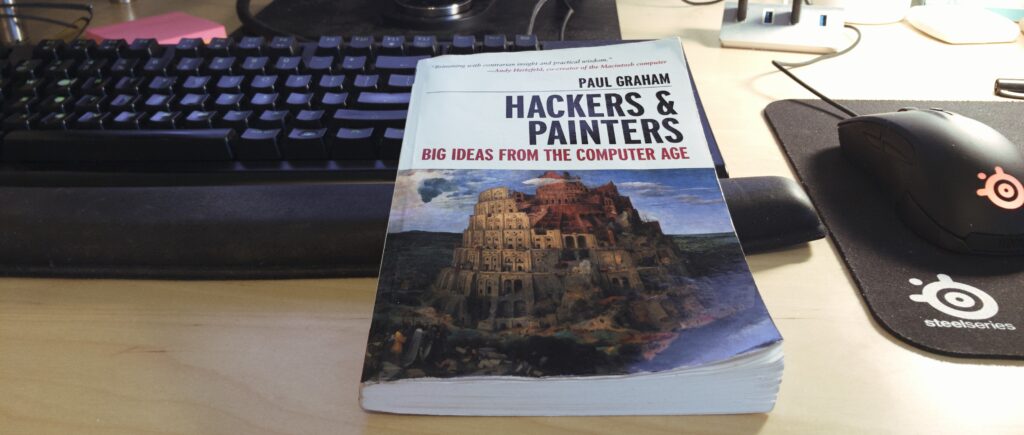
Paul Graham

Hackers and Painters is a book about programming by Paul Graham, cofounder of Y Combinator, a tech startup accelerator. The book relates his experience using Lisp in the early days of the internet to create highly sophisticated yet maintainable web apps.

cat-v.org

A living archive of Unix, Plan 9, and systems culture—primary sources, essays, and the harmful.cat-v.org collection that keeps sharp critiques of software fashion in circulation. Useful when you want the original argument, not a blog summary of it.

cat-v.org ↗doc.cat-v.org ↗harmful.cat-v.org ↗

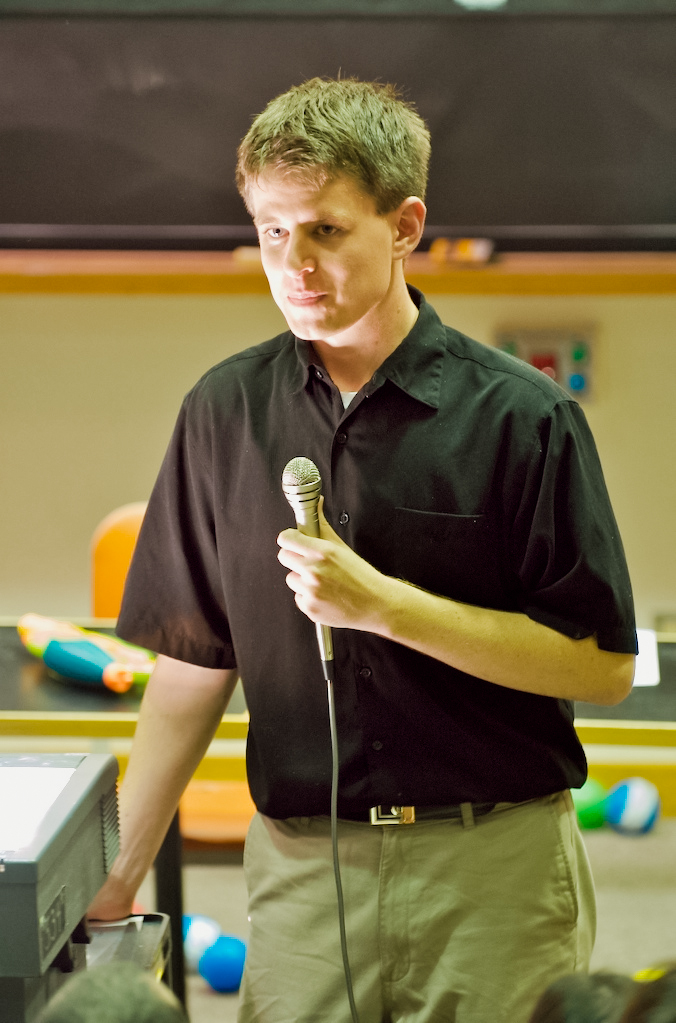
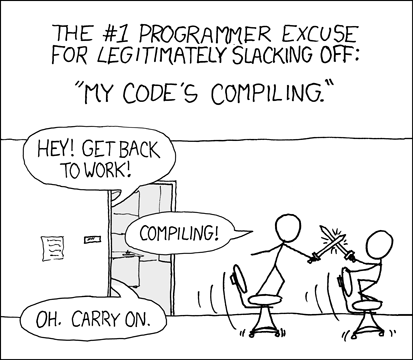
Randall Munroe · xkcd

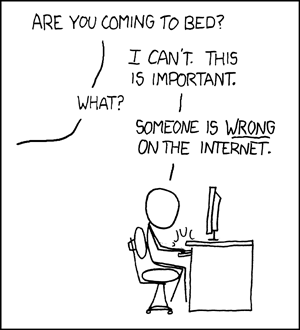
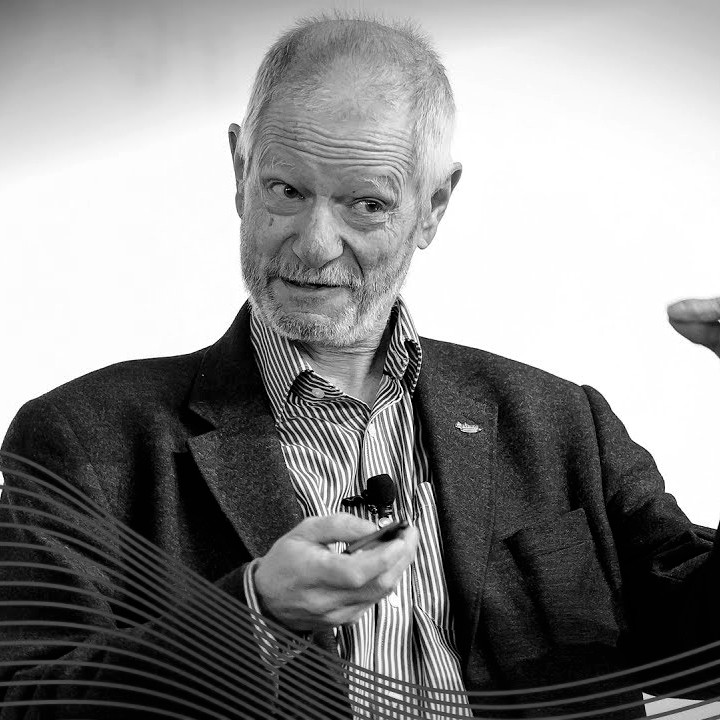
Cartoonist and engineer behind xkcd—romance, sarcasm, math, and language—and the What If? / Thing Explainer vein of making hard ideas plain without making them cute. Portrait: MIT talk, 2007 (CC BY-SA). Comics shown: Compiling and Duty Calls (xkcd, CC BY-NC).

xkcd.com ↗What If? ↗About Randall ↗

Discussions and Videos

Brian Will's criticisms of Object-oriented Programming Paradigm

Brian Will on X ↗

“With procedural code—particularly pure functional code—even when the division of responsibilities amongst the functions is sub-optimal, new functions and data types can generally be added without making the existing code messier. Object-oriented design, in contrast, much more often punishes programmers for not thinking ahead.”

Brian Will on Medium

“Because it's so easy to put responsibilities in the wrong place, object-oriented code doesn't tolerate incremental design very well. Yes, in theory, perfectly decomposed classes are easily supplemented with additional classes, but in practice, class decompositions are never perfect, and so every new class and method tends to add to the existing confusion and produces more work for later restructuring.”

Brian Will on Medium

Famous developer criticisms of OOP

“Objects bind functions and data structures together in indivisible units. I think this is a fundamental error since functions and data structures belong in totally different worlds.”

Why OO Sucks (2011), Dr. Joe Armstrong

“Object-oriented programming offers a sustainable way to write spaghetti code.”

The Hundred Year Language (2003), Paul Graham

“The OO design concept initially proved valuable in the design of graphics systems, graphical user interfaces, and certain kinds of simulation. To the surprise and gradual disillusionment of many, it has proven difficult to demonstrate significant benefits of OO outside those areas.”

The Art of UNIX Programming (2005), Eric S. Raymond

Valve's take on the gaming industry's UX stagnation

“We're frustrated by the lack of innovation in the computer hardware space though, so we're jumping in. Even basic input, the keyboard and mouse, haven't really changed in any meaningful way over the years. There's a real void in the marketplace, and opportunities to create compelling user experiences are being overlooked.”

from a job application for Valve Software, creators of Steam